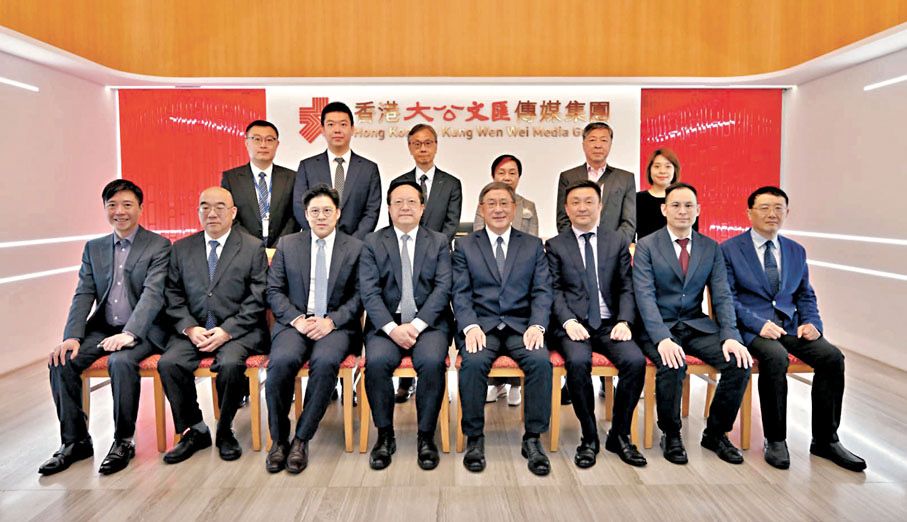
On March 28, He Fan, chairman of the Octone Foundation, attended the 2024 Second Session Seminar of the "Hong Kong Grand Lecture," themed "Opportunities in Hong Kong's Cultural Revival," organized by the Hong Kong Ta Kung Wen Wei Media Group Think Tank.
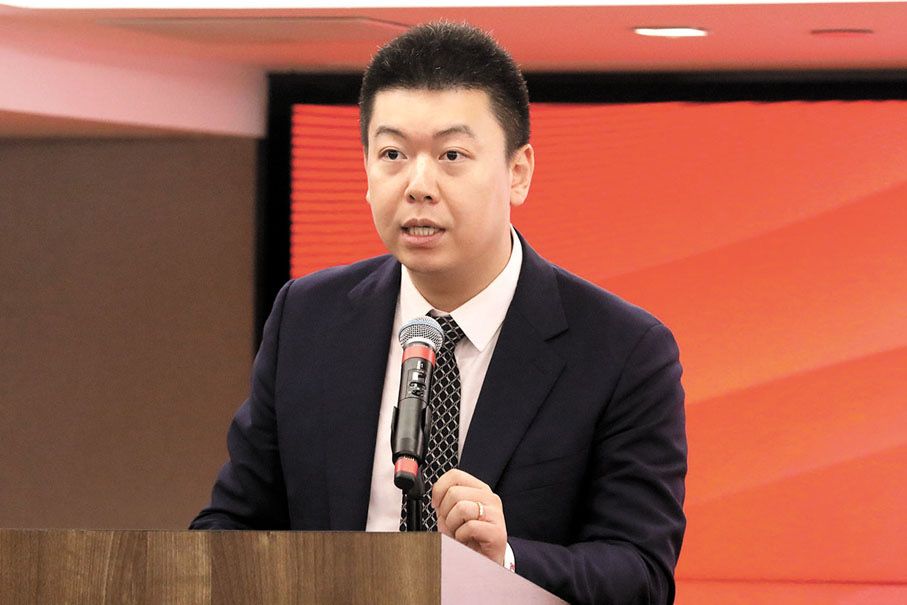
At the meeting, Chairman He expressed his hope for the continued promotion of traditional Chinese culture in Hong Kong, aiming to make greater contributions to the development of national heritage. Moving forward, there will be active collaboration with local companies to integrate innovative technologies such as AI and VR into the creation and promotion of a Chinese traditional culture app. Additionally, grassroots communities will be engaged to participate in diverse cultural activities, fostering deeper interest among citizens in Chinese arts and enhancing patriotic sentiments.
To further explore Hong Kong's opportunities, roles, and functions as a cultural pioneer in the Guangdong-Hong Kong-Macao Greater Bay Area, and to establish Hong Kong as a hub for cultural and artistic exchanges between China and the world, the Xinhua News Agency's Think Tank hosted the "Hong Kong Forum" 2024 Second Session, titled "Opportunities for Hong Kong in Cultural Revival," on March 28. The seminar brought together distinguished guests from Hong Kong and the mainland, including experts with extensive research experience in Chinese culture, arts, and development, as well as advocates committed to promoting literature and media. These professionals shared valuable insights and recommendations on how Hong Kong can effectively contribute to cultural revival and exert significant influence in the region.
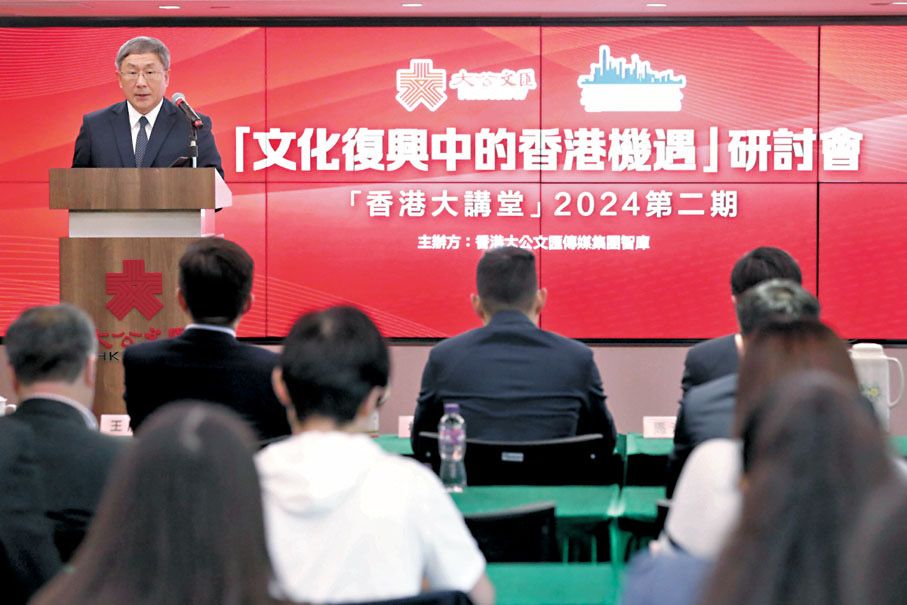
The seminar "Opportunities for Hong Kong in Cultural Revival" took place on March 28 at the Xinhua News Agency. Acting Secretary for Administration Warner Cheuk emphasized in his speech that culture represents the soul of a nation and its people. He highlighted that under the "14th Five-Year Plan," Hong Kong has been designated as one of the key development centers in eight areas, including serving as a hub for cultural and artistic exchanges between China and foreign countries. He noted that Hong Kong has a pivotal role in promoting Chinese culture internationally, citing prominent institutions like the Hong Kong Museum of Art and the Hong Kong Palace Museum. These venues, with their rich collections and appeal, are well-positioned to undertake the mission of sharing traditional Chinese culture. Through activities such as lectures, workshops, and exchange programs, museums can nurture citizens' interest, appreciation, and patriotism for Chinese cultural arts.
Warner Cheuk also highlighted Hong Kong's deep-rooted tradition of cultural diversity, making it an ideal location for cultural exchanges. Internationally acclaimed art events held this year, such as Chubby Hearts and "teamLab: Light Ripple," have garnered significant success and acclaim, enhancing Hong Kong's cultural reputation and atmosphere. These events have broadened the cultural horizons of both local residents and visitors from the Greater Bay Area. Additionally, Hong Kong boasts a vibrant local pop culture scene, which enjoys strong support from audiences in the Greater Bay Area and Southeast Asia. As one of the world's three major art trading centers, Hong Kong provides a critical platform for the exchange of Chinese and international artworks.
Warner Cheuk further revealed that the Hong Kong SAR government has established an office dedicated to promoting Chinese culture. This office will organize a Chinese Culture Festival in June, featuring exhibitions, performances, films, and other activities to deepen citizens' and visitors' understanding and appreciation of Chinese culture. Positioned as the southern gateway to the motherland, Hong Kong holds a unique and vital role in the cultural revival movement. With collective effort and strong national support, Chan expressed confidence that Hong Kong's cultural and artistic achievements will continue to reach new heights.
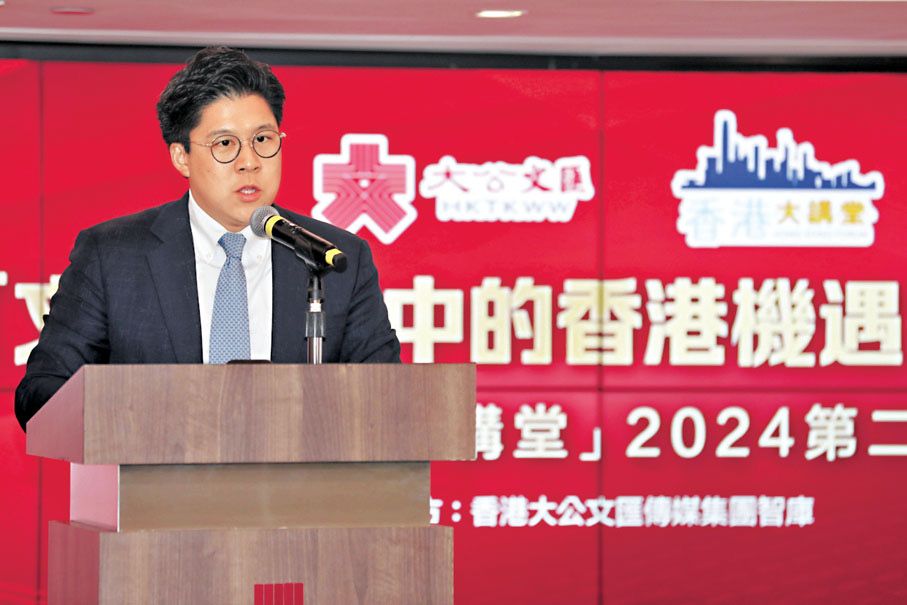
Kenneth Fok : Hong Kong as a Bridge for International Cultural Arts to the Mainland
Kenneth Fok , Chairman of the Hong Kong Arts Development Council and Legislative Council member, emphasized in his speech that under the current national development framework, which prioritizes a domestic cycle while fostering mutual promotion between domestic and international dual circulation, Hong Kong plays a unique role. Positioned at the intersection of these two circulations, Hong Kong is not only part of the internal cycle but also serves as a key gateway between China and the global stage. He highlighted the importance of adopting a dual circulation approach in cultural and creative industries, especially amidst today’s complex and rapidly changing international landscape. Leveraging soft cultural media, Hong Kong can effectively share China’s stories and enhance its global image. Acting as a cultural window, the city can introduce international arts to the Mainland, fostering a rich and innovative cultural environment.
Kenneth Fok pointed out that Hong Kong boasts exceptional talent and strong soft power, making it well-equipped to lead in this area. He urged the SAR government and relevant organizations to create favorable conditions for cultural professionals, providing them with more opportunities for growth. He advocated for policy and mechanism support to drive cultural development, promote outstanding talent and works, and strengthen connections across different sectors, ultimately expanding the cultural “pie.” For instance, he suggested exploring how the film industry could adapt quality literary works into film and television productions, how classical music and high art could merge with contemporary trends and design, and how art could integrate with technology and industries to spark innovation.
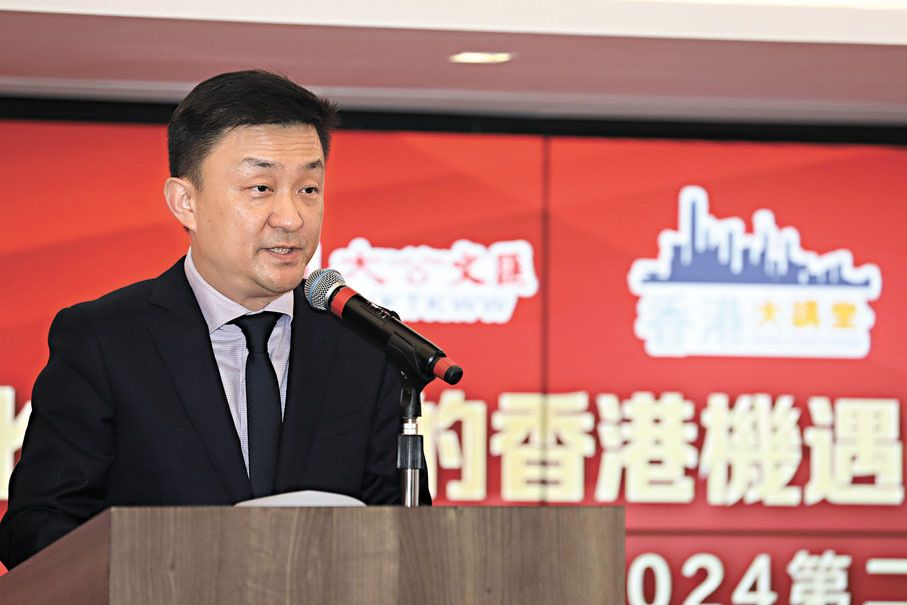
Wang Xinzhi: Unprecedented Opportunities for Hong Kong
Wang Xinzhi, Deputy Editor-in-Chief of Hong Kong Ta Kung Wen Wei Media Group, highlighted Hong Kong's unique advantages under the "One Country, Two Systems" framework and its multicultural essence. Positioned as a strategic hub, Hong Kong bridges Eastern and Western cultures, connects domestic and international markets, and integrates global industrial and supply chains, securing a critical and unique role. With China advancing its modernization and cultural rejuvenation, Hong Kong is poised to seize unparalleled opportunities.
Wang emphasized that the seminar aims to unite experts and scholars to explore Hong Kong's role in cultural rejuvenation. Discussions will focus on how Hong Kong can facilitate the creative transformation and innovative development of traditional Chinese culture, establish world-class cultural IP, and revitalize its arts and cultural industries. The seminar seeks to identify ways for Hong Kong to reshape its identity, take proactive measures, and play a pioneering role in advancing Chinese cultural rejuvenation.
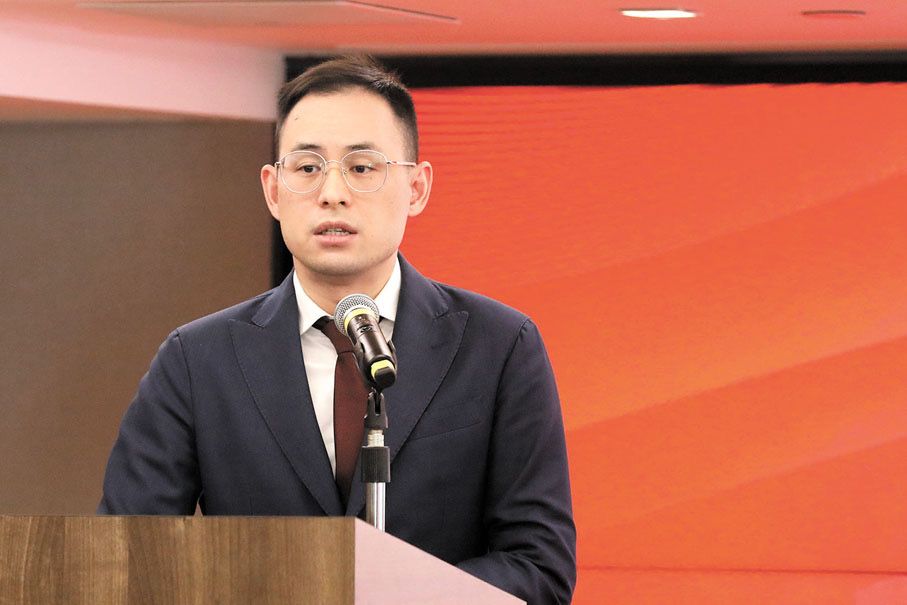
Alex Yeung: Undertaking the important mission of cultural revival
Alex Yeung, member of the National Committee of the Chinese People's Political Consultative Conference and vice-chairman of Emperor Film, stated that Hong Kong is a key engine for the prosperity and development of the country’s cultural undertakings and cultural industries. When Hong Kong aligns itself with the motherland, it can leverage its unique advantages to promote national cultural development to a new level and embark on a new journey.
Hong Kong, known as "Eastern Hollywood," has a film industry that is an important component of the local cultural industries. Alex Yeung believes that although Hong Kong cinema has experienced lows, he is confident that with an excellent industrial foundation, a vast mainland market, and a group of outstanding filmmakers, the important position of Hong Kong cinema still exists, especially as Hong Kong actively integrates into the larger national development context. Additionally, Hong Kong, situated in the Guangdong-Hong Kong-Macao Greater Bay Area, bears the important mission of cultural revival and should fully leverage its advantages to expand the influence of Chinese culture internationally.
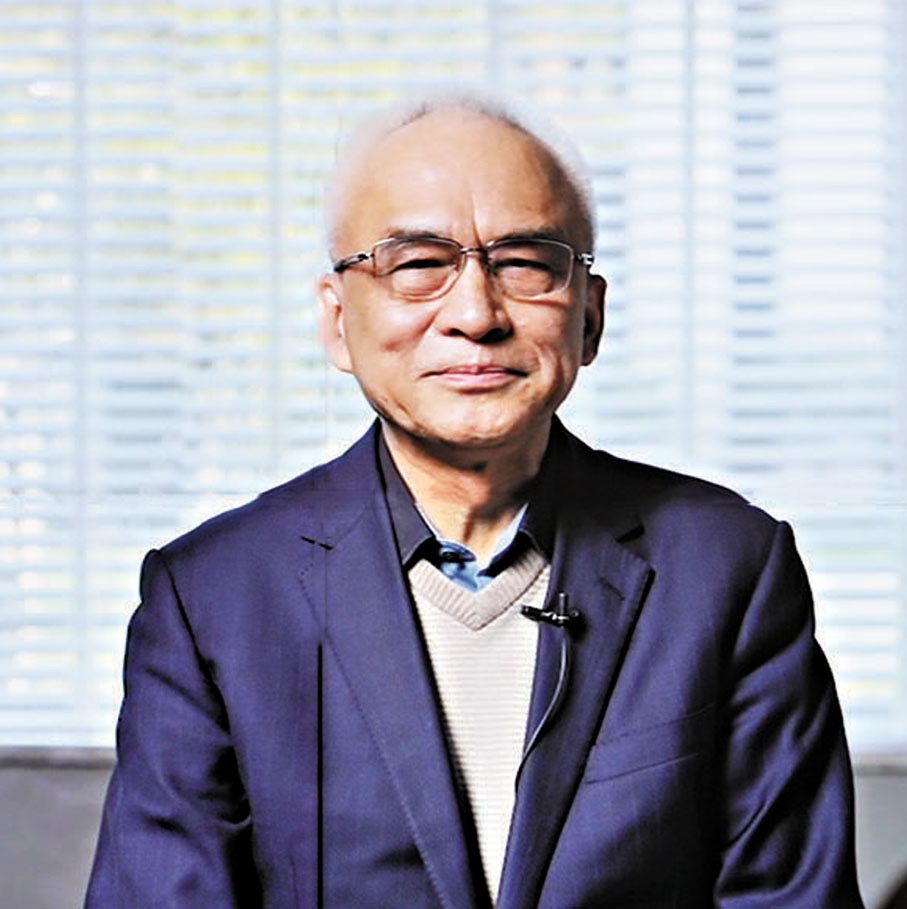
Chen Yueguang: The Inheritance of the "Harmony but Different" Philosophy
Chen Yueguang, President of the Chinese Culture Academy, believes that the direct proposition of cultural revival is to restore and strengthen one's cultural confidence, which is reflected in promoting the creative transformation and innovative development of Chinese traditional culture, and is inextricably linked to building a community with a shared future for humanity and achieving Chinese-style modernization. As a window for cultural exchange between China and foreign countries, Hong Kong possesses the characteristic of embracing diverse cultures, inheriting the concept of "harmony but different" from Chinese culture, and thus will play a greater role in undertaking the mission of cultural revival.
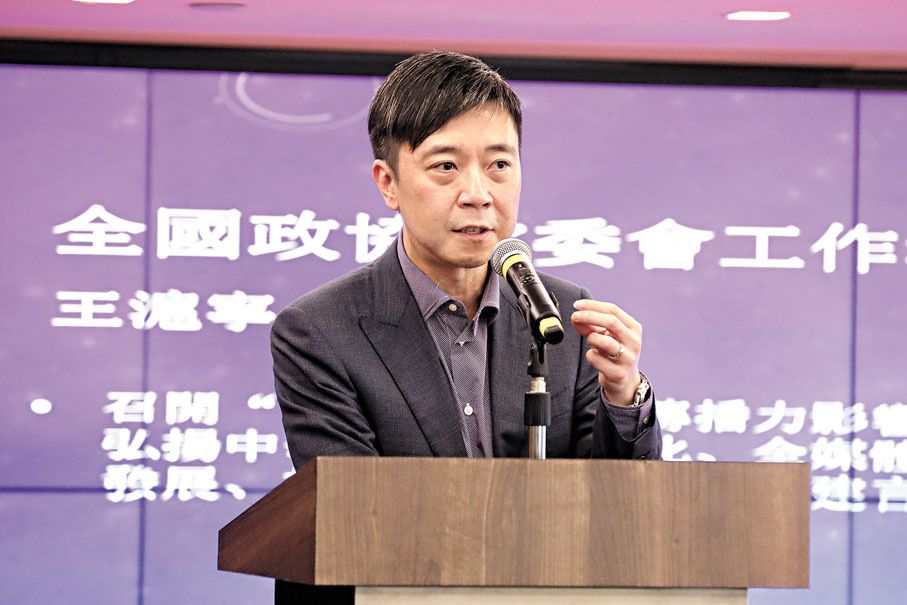
Ma Haowen: Lessons to Learn from the Success of "Subject Three"
Ma Haowen, a member of the National Committee of the Chinese People's Political Consultative Conference and Executive Chairman of the Hong Kong All-Sector Cultural Promotion Association, highlighted the success of the online video "Subject Three," a production from mainland China that has gained global popularity. With a worldwide view count of approximately 46 billion, "Subject Three" has sparked a cultural phenomenon. Featuring Guangxi's traditional dance and the ancient-style music "A Smile in the Jianghu," it showcases the profound global impact of Chinese culture. Ma Haowen emphasized that Hong Kong should draw inspiration from "Subject Three's" success, encouraging collaboration between Hong Kong's cultural sector and the mainland. He stressed that the key to cultural products lies in their ability to resonate deeply with audiences, enabling individuals to feel a personal connection to the content.
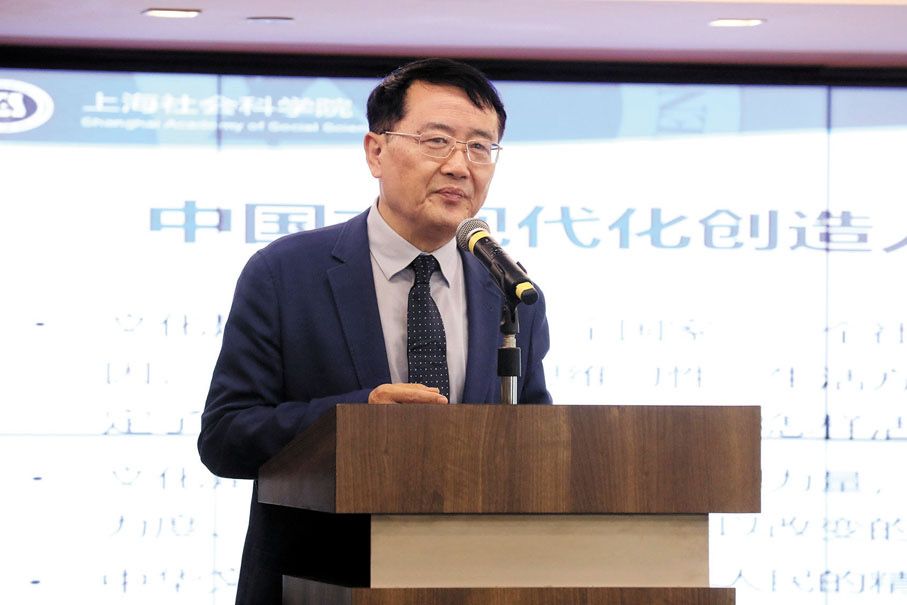
He Jianhua: Can vigorously promote its own cultural construction
He Jianhua, formHe Jianhua: Advancing Cultural Development with Distinctive Strengths
He Jianhua, former vice president of the Shanghai Academy of Social Sciences, emphasizes that Hong Kong plays a pioneering role in the cultural renaissance of Chinese-style modernization within the Guangdong-Hong Kong-Macao Greater Bay Area, where both opportunities and challenges coexist. He highlights that misunderstandings about Hong Kong's culture persist on the mainland and need urgent resolution. For instance, some perceive Hong Kong as a "cultural desert" or see its culture as overly commercialized and lacking spiritual depth. However, Hong Kong is deeply rooted in Lingnan culture, enriched by Asian cultural influences, and layered with Western cultural heritage. This fusion of diverse cultures is a defining characteristic, giving Hong Kong unique advantages in fostering cultural exchanges that mainland cities cannot rival. These include bilingual education in Chinese and English, advanced local facilities, strong collaboration with the mainland, an extensive international exchange network, and rich experience in cultural interactions.
He proposes several strategies for Hong Kong's cultural development:
1. Vigorously enhance its own cultural construction.
2. Embrace multilateral integration to establish a uniquely advantageous cross-cultural community.
3. Continue advancing the integration of culture and tourism industries.
4. Actively attract cultural and creative talents.
5. Refine and optimize Hong Kong's "human image," further enhancing the cultural appeal of its urban brand while effectively telling China's story to the world.
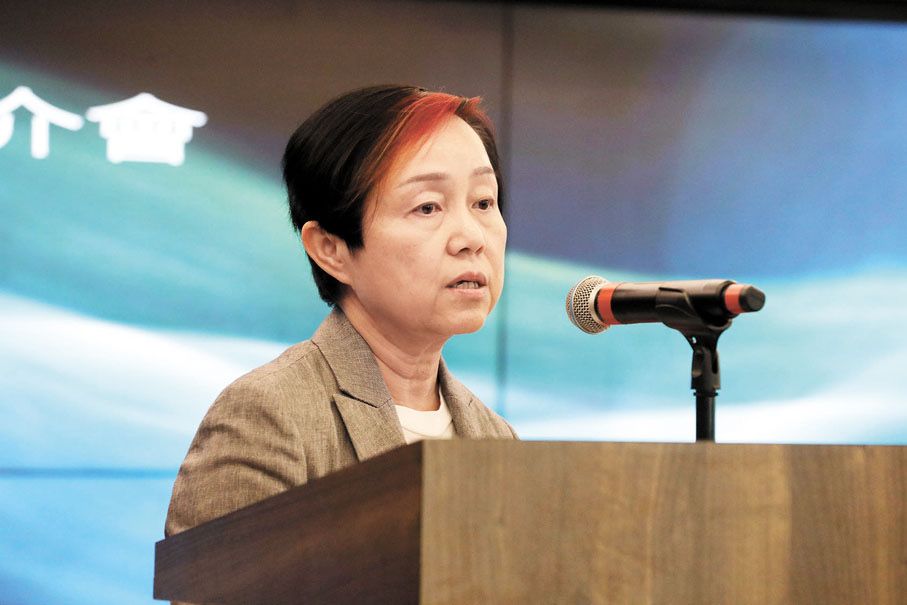
Zhu Jingxian: The Arts Expo Embraces Global Cultures
Zhu Jingxian, Executive Director of the Hong Kong Arts Development Council, shared details about the inaugural Hong Kong Arts Expo. She highlighted that the pandemic and global economic challenges have significantly affected art funding and resources worldwide. Many artists and industry professionals are eager to leverage the international art market to revive overseas tours. In response, the SAR government has tasked the Arts Development Council with organizing the Hong Kong Arts Expo, scheduled to run from October 14 to 18 this year.
Julie Cheung emphasized that the expo serves as a dedicated platform for professional international artists to connect and collaborate, further strengthening Hong Kong's position as a hub for cultural and artistic exchange between China and the world. Featuring performing arts programs, international boutique showcases, project presentations, lectures, exhibitions, and various exchange activities, the expo allows participants to experience Hong Kong's distinctive cultural identity. This identity is rooted in traditional Chinese heritage while also embracing diverse global cultural influences.
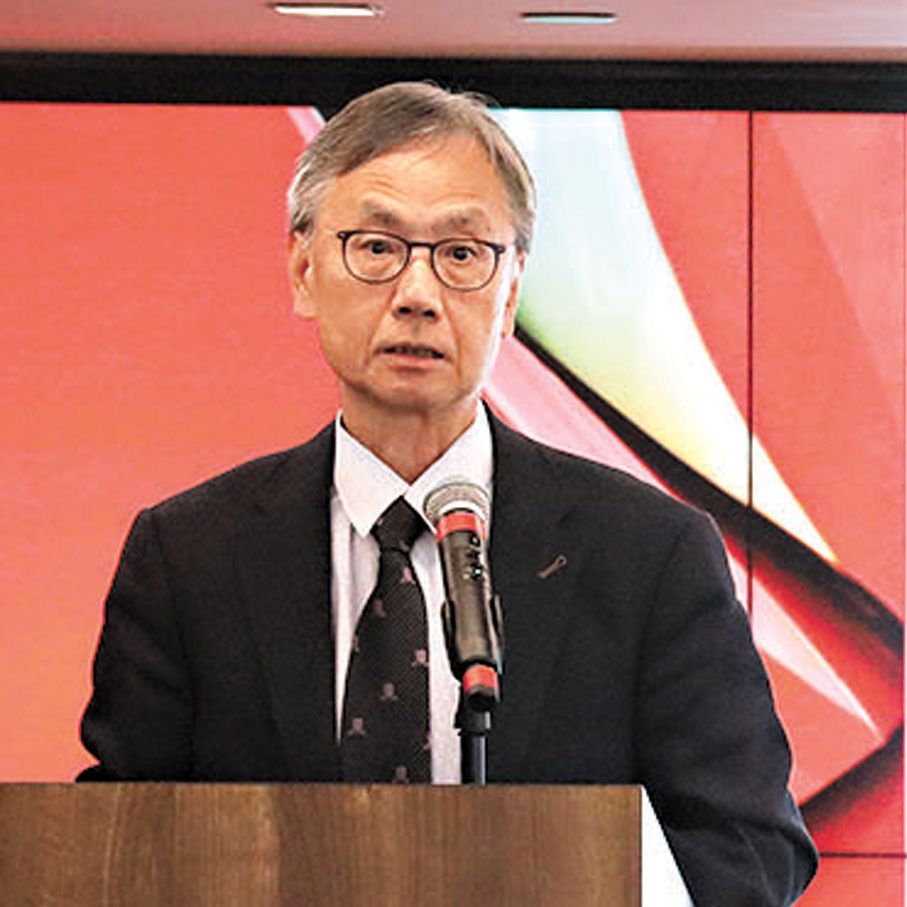
Lai Chitim: Promoting a New Chapter in Chinese Culture
Lai Chitim, Deputy Director of the Institute of Chinese Culture at the Chinese University of Hong Kong, stated that historically, we have often been influenced by the Western path of modernization and tend to believe that rationalism and scientific technology are the only standards for judging the value of traditional Chinese culture. However, as China has been exploring its modernization over the past century to the present day, aside from the significant improvement in people's material lives and scientific technology, the public increasingly values the important spiritual power brought by traditional Chinese culture. He believes that traditional Chinese culture has preserved and developed rich and diverse cultural connotations in Hong Kong, and its development and inheritance in Hong Kong has never been interrupted, continually taking root and developing there. For instance, the broad and diverse Cantonese culture, Chaoshan culture, Hakka culture, etc., are all being continuously passed down in Hong Kong. The unique geographical location and environment of Hong Kong, which is "backed by the motherland and connected to the world," further clarifies its role in the revival of Chinese culture. The maritime cultural characteristics endowed by its geographical environment will drive Chinese culture to continuously create new chapters amidst innovation and change, showcasing its vitality and life.
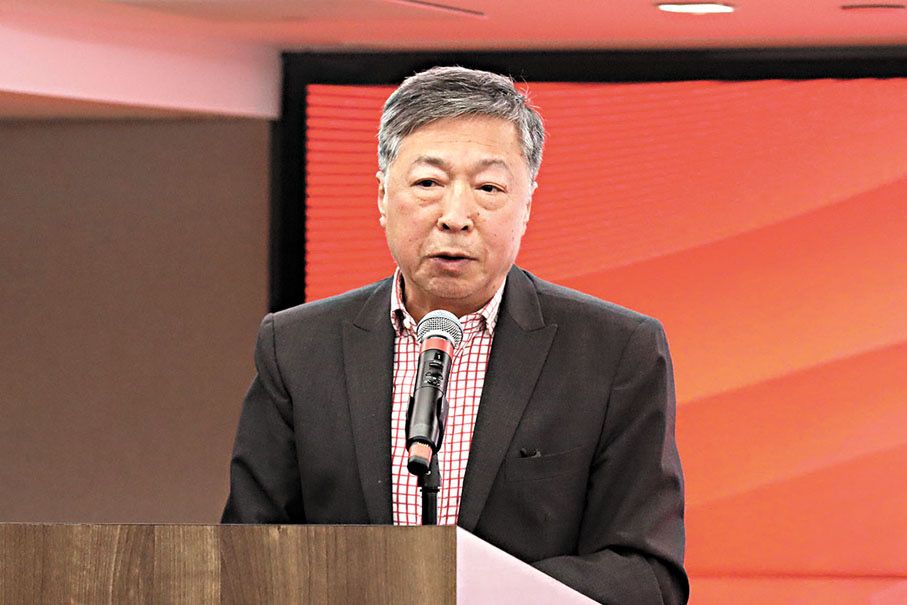
He Liangliang: A comprehensive large-scale cultural museum of Hong Kong should be established
He Liangliang, DHe Liangliang: Establishing a Comprehensive Cultural Museum in Hong Kong
He Liangliang, Deputy Director of the Editorial Department at Phoenix TV, proposed three key suggestions for Hong Kong's role in the revival of Chinese culture.
First, he emphasized the importance of strengthening connections and collaboration with museums in mainland provinces and cities. By enabling "treasures" from various provincial and city museums to be exhibited in Hong Kong on a rotating basis and establishing a permanent mechanism and database, Hong Kong can serve as a platform to showcase Chinese civilization and historical achievements to the world. This initiative would not only enhance global appreciation of Chinese culture but also deepen Hong Kong citizens' sense of national identity, belonging, and understanding of Chinese history and culture.
Second, He Liangliang proposed the creation of a comprehensive, large-scale cultural museum in Hong Kong. This museum would encompass a wide range of cultural elements, including literature, film, television dramas, fine arts, music, comics, and traditional operas such as Cantonese opera. It would also feature handicrafts, folk beliefs, and customs to provide both Hong Kong citizens and tourists with a one-stop cultural experience, fostering a deeper appreciation of Hong Kong and Chinese heritage.
Third, he suggested drawing inspiration from European examples of industrial architecture and revitalization. Hong Kong could transform old manufacturing brands or industrial buildings into cultural heritage bases. Such revitalization efforts would allow the public to explore the history of Hong Kong's manufacturing industry and appreciate the perseverance and entrepreneurial spirit of earlier generations who developed local brands.
related link: https://www.tkww.hk/epaper/view/newsDetail/mobile/1774858188458430464.html